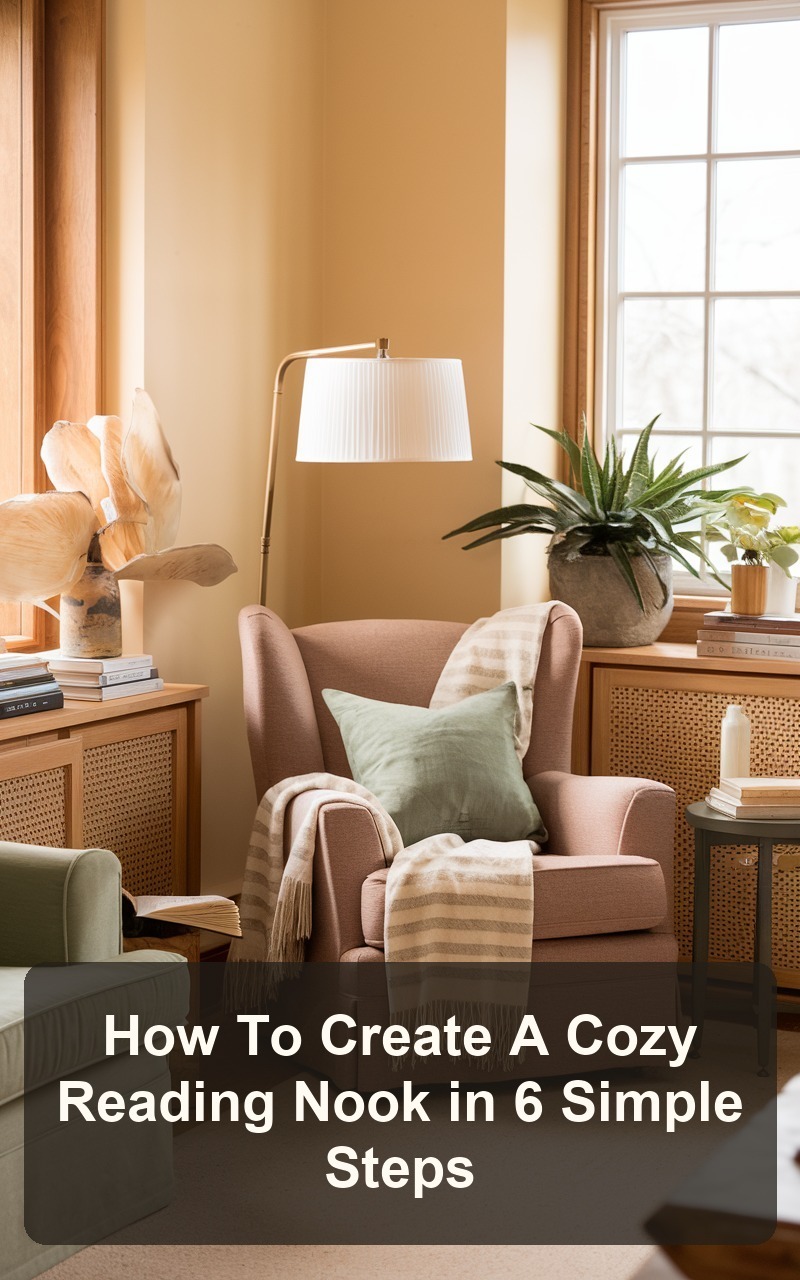
A cozy reading nook does not need a spare room, a built-in library, or the kind of budget that makes you whisper before checking out. It needs a well-chosen corner, a seat you actually want to sink into, good light, and a few thoughtful details that tell your brain: pause here.
This guide walks through how to create a cozy reading nook in six simple steps, with enough structure to make it look intentional and enough flexibility to work in a bedroom, living room, landing, bay window, or quiet hallway corner.
The secret is to design the nook around the way you will use it, not around a perfect picture. If you read in ten-minute bursts, make it easy to sit down quickly. If you linger for hours, give comfort and lighting more attention. A beautiful nook that hurts your back is just a decorative chair with better marketing.
Step 1: Pick The Right Corner
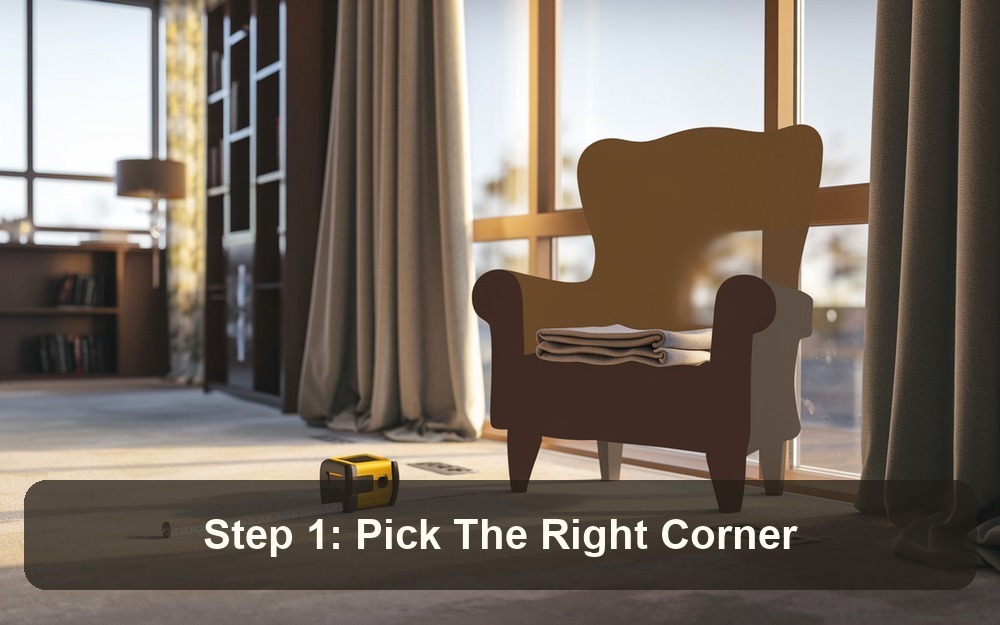
Start by choosing the spot, not the furniture. The best reading nook is slightly removed from the busiest part of the home, but not so hidden that you forget it exists. Look for a corner with natural light, a nearby outlet for a lamp, and enough space for a seat plus a small surface.
If you are planning a wider refresh, stylish study room decor is worth keeping open alongside this guide.
- Use a window corner if you read during the day.
- Choose a bedroom corner if you want a quieter retreat.
- Try a landing or hallway recess if your main rooms are already full.
If the area feels bland, that is fine. A reading nook often works best when it starts as an underused pocket. You are not decorating around perfection; you are giving a forgotten corner a real job.
Before buying anything, stand in the space at the time of day you usually read. Notice glare, noise, traffic through the room, and whether the corner feels exposed or tucked away. Those small observations will help you avoid choosing a spot that looks charming for photos but feels oddly restless in real life.
Step 2: Choose A Seat You Will Actually Use
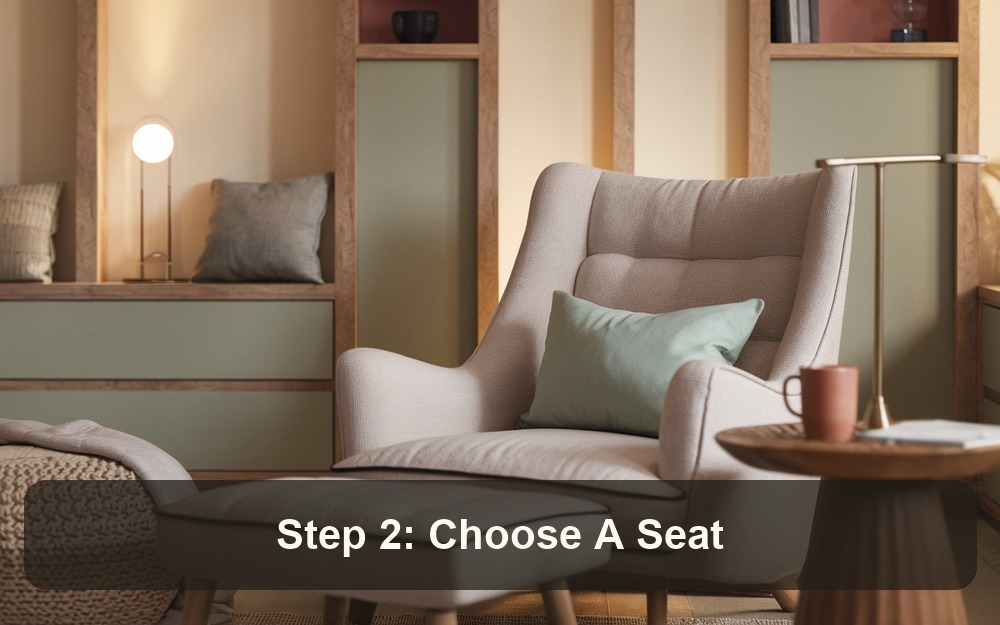
The chair is where cozy either happens or politely gives up. Before thinking about style, think about your reading posture. Do you curl up sideways, sit upright with a notebook, stretch your legs out, or read with a child beside you? Let that answer guide the seat.
An armchair with a supportive back is the classic choice, but a small loveseat, built-in bench, chaise, or oversized floor cushion can work beautifully. If your bedroom is the natural home for the nook, these serene bedroom refresh ideas pair nicely with the same calm approach.
Scale matters too. A huge chair can make a small corner feel blocked, while a dainty accent chair may look sweet and become unbearable after fifteen minutes. Aim for a seat deep enough to relax in, with arms at a comfortable height and enough surrounding space to move without clipping the side table.
You can also borrow details from floor lamp ideas when you are refining the final look.
Step 3: Layer The Lighting
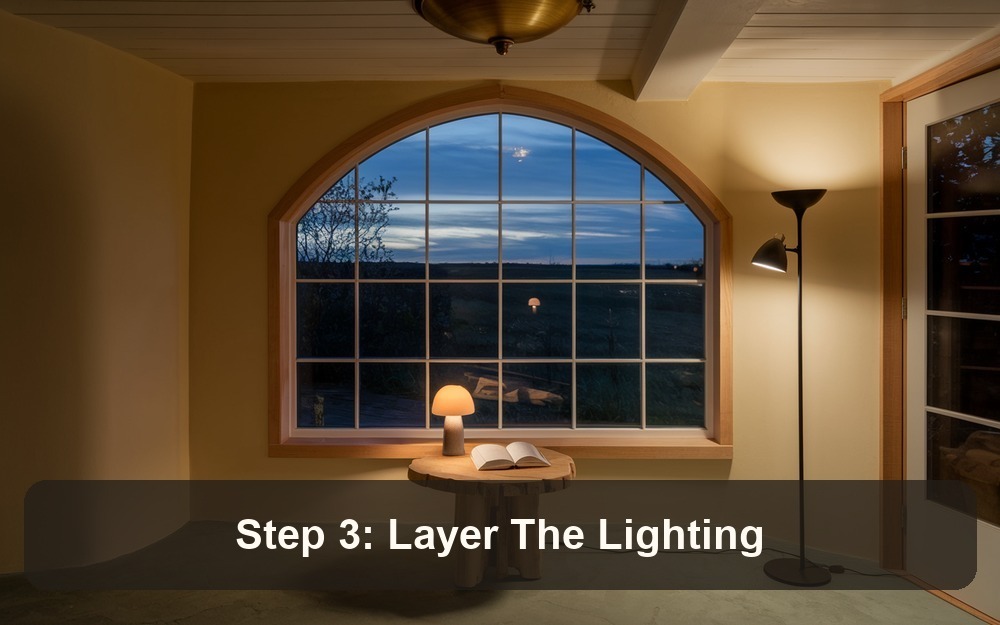
Reading nooks need better lighting than most decorative corners. Natural light is lovely in the day, but evenings need a focused lamp that lands directly on the page without glaring into your eyes. A floor lamp behind the chair, a wall sconce, or a small table lamp can all work.
- Use a warm bulb for atmosphere, but keep it bright enough to read comfortably.
- Place the lamp slightly behind or beside your shoulder.
- Add a second softer glow if the corner feels too stark at night.
Lighting has a huge effect on mood, especially in smaller spaces. For more kitchen and home lighting inspiration, browse these stylish lighting ideas and adapt the principles at a smaller scale.
If you are unsure, choose an adjustable lamp. Being able to tilt the shade or move the arm makes the nook more flexible for paperbacks, magazines, craft books, or a tablet. Dimmers are also useful because the light you want at 4 p.m. is rarely the light you want at 10 p.m.
Step 4: Add Softness Without Clutter
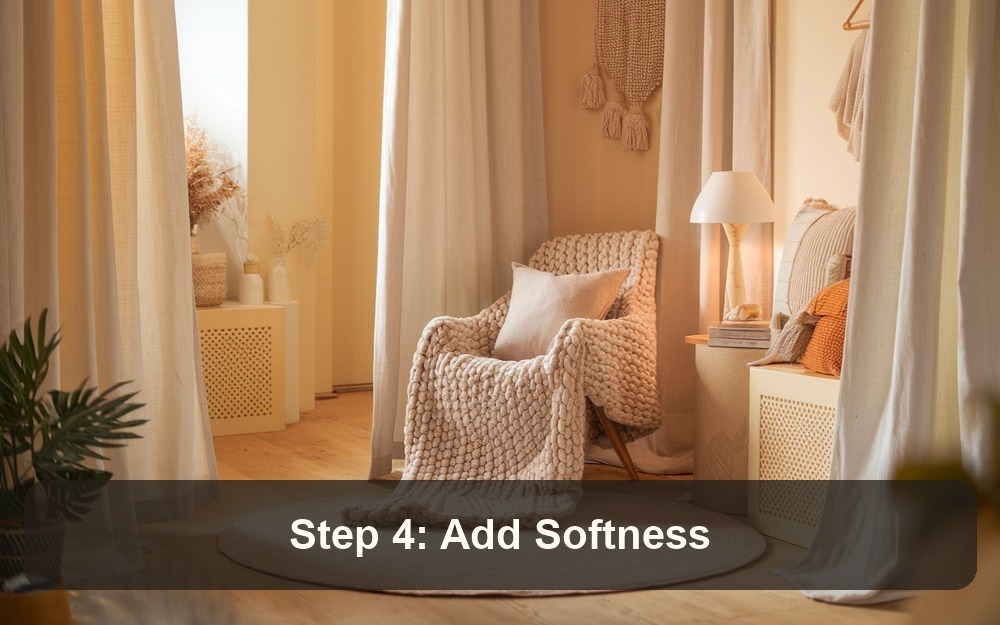
Texture is the shortcut to comfort, but too much of it can make a nook feel messy. Choose one excellent throw, one supportive cushion, and either a rug or soft curtain to frame the area. That is usually enough to make the space feel layered without creating a laundry pile with a lamp.
Keep the palette close to the rest of the room so the nook feels connected. If you like a calm, edited look, the same principles behind minimalist bedroom ideas work well here: fewer pieces, better texture, and a clear sense of purpose.
For a related idea you can adapt in the same space, see bookshelf styling ideas.
A rug can help define the nook, especially in an open-plan room, but it does not need to be large. Even a small washable rug under the front legs of the chair can visually claim the corner and soften the sound of the space. Choose texture over busy pattern if the room already has plenty going on.
Step 5: Give Books And Essentials A Home
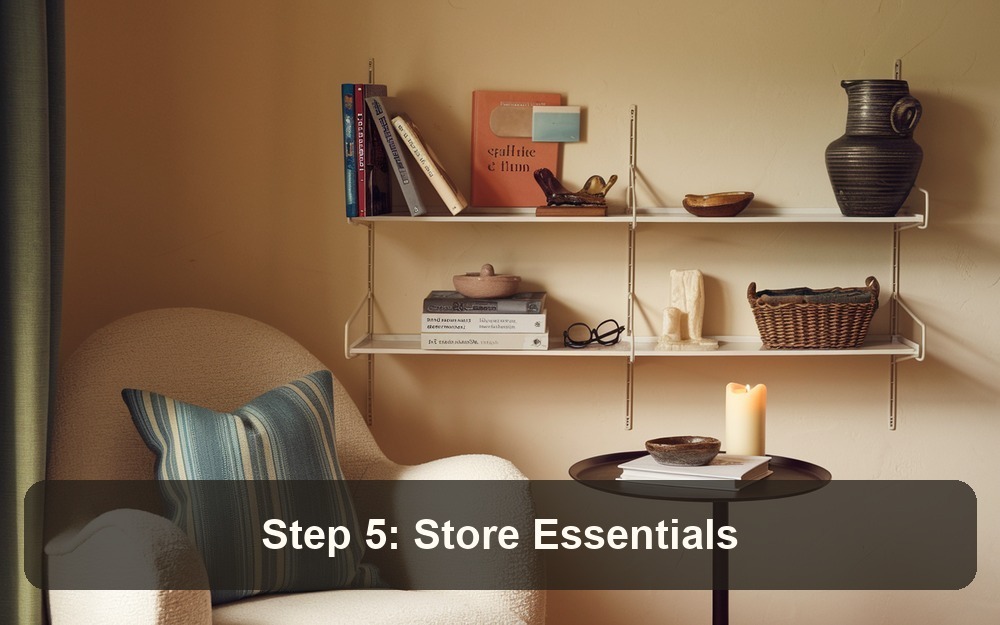
A nook becomes easier to use when the little things have somewhere to land. Add a slim side table, wall shelf, basket, or stool for your current book, reading glasses, bookmark, candle, tea, or notebook. The aim is convenience without turning the corner into a storage zone.
Style a few books horizontally, place one small object on top, and leave room for the drink you will absolutely forget about until it is cold. If you want more ideas for arranging books and objects together, these bookshelf styling ideas are a useful next read.
Try to keep the essentials visible but contained. A shallow tray on the side table can hold glasses, lip balm, and bookmarks without looking scattered. A basket beside the chair can hide extra throws or library books waiting their turn, which keeps the nook cozy rather than crowded.
Step 6: Finish With Personal Details
A useful next read is home library ideas if you want another angle on this part of the project.
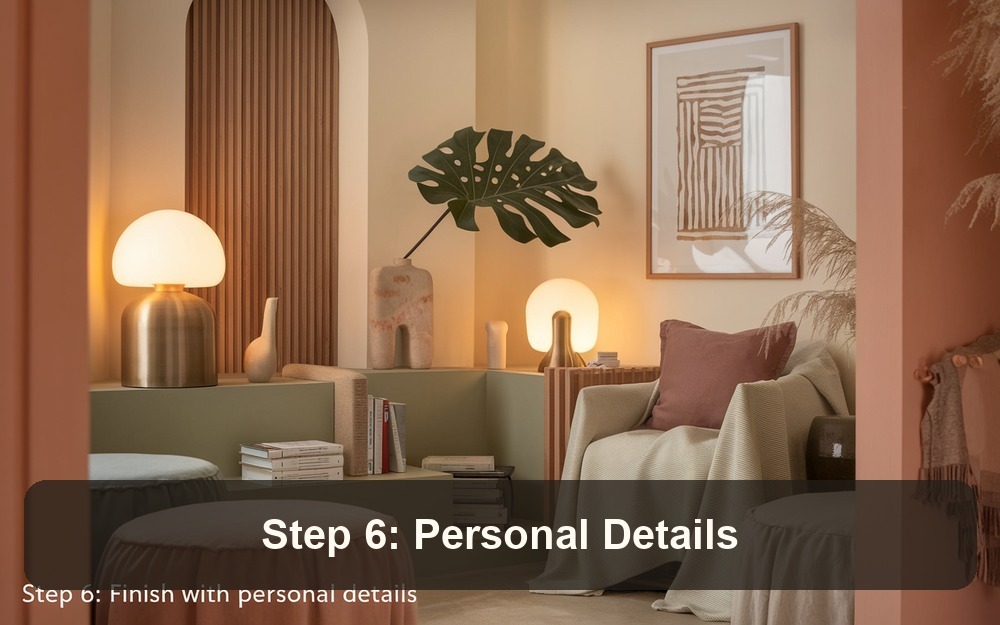
The final layer is what makes the nook yours. Add one piece of art, a plant, a framed photo, a small vase, or a scent you associate with slowing down. Keep it personal, but edited. The best reading corners feel collected over time, not assembled from one shopping basket.
- Use art at eye level when seated.
- Choose one plant that suits the light in the corner.
- Rotate a small seasonal accent instead of restyling everything.
If you enjoy seasonal updates, these simple spring decor ideas offer easy swaps. For extra practical guidance, see IES lighting guidance for task lighting principles and Better Homes & Gardens’ reading nook tips for more styling inspiration.
Give yourself permission to leave one thing imperfect. A slightly rumpled throw or a stack of current reads makes the corner feel used, which is exactly the point. The nook should look cared for, not untouchable.
Final Thoughts
A cozy reading nook is really a small invitation. Pick the right corner, choose comfort first, layer the lighting, soften the edges, and keep essentials close. Once those pieces are in place, the personal details can stay simple. The result is a corner that looks lovely, works hard, and quietly reminds you to sit down for a chapter or two.
