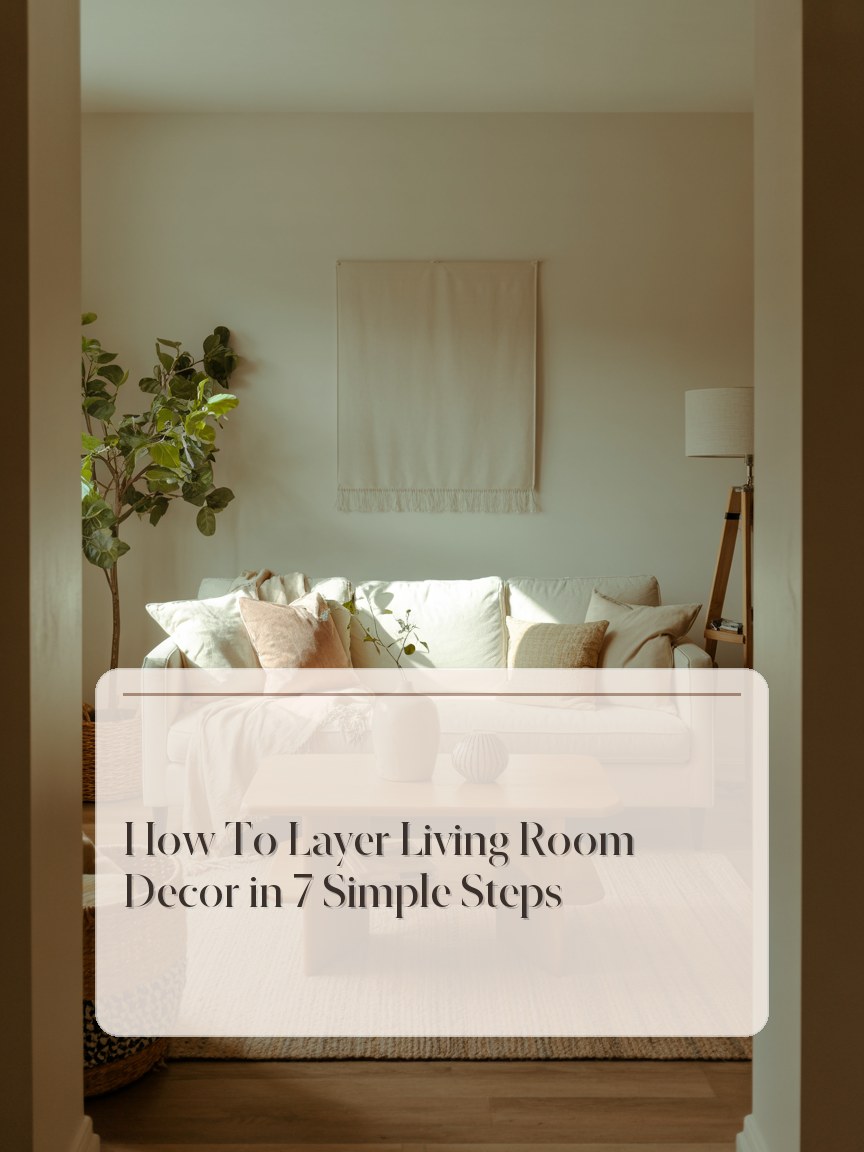
Layering living room decor is the difference between a room that looks “done” and a room that feels loved. It is not about buying more things or copying a showroom. It is about building depth with color, texture, light, scale, and personal details so your living room feels warm.
You can do this slowly, using what you own first. A plain sofa, simple curtains, or bare coffee table can become charming when every layer has a job. If your room feels flat or unfinished, these seven steps will help you create a softer, more pulled-together space without making it fussy.
For more inspiration, you may also enjoy these living room sofa ideas that make a statement, especially if your sofa is the biggest visual anchor.
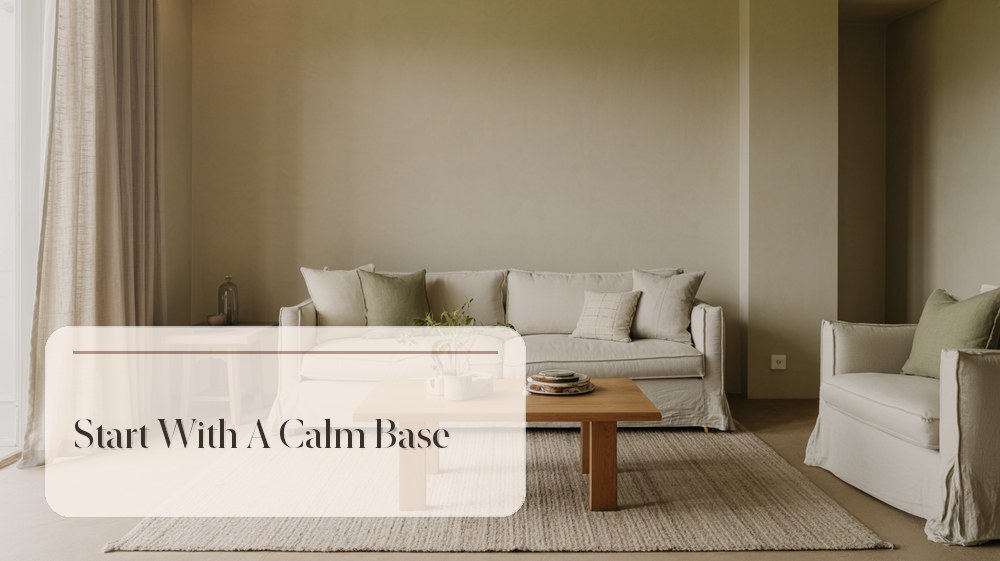
1. Start With A Calm Base
Before adding decorative details, look at the main pieces already in the room: the sofa, rug, curtains, walls, flooring, and largest storage pieces. These create your base layer. If they all compete for attention, every extra cushion or vase will feel busier.
A calm base does not have to mean all white or beige. It means choosing a few steady colors and repeating them. Try one main neutral, one warm wood tone, and one gentle accent color such as sage, dusty rose, soft blue, or clay.
- Keep the largest items visually simple if your room is small.
- Repeat wood, metal, or woven finishes at least twice.
- Use your rug to connect the sofa, chairs, and coffee table.
If you are planning a wider refresh, modern farmhouse living room ideas is worth keeping open alongside this guide.
If your foundation feels too plain, do not panic. Plain is a lovely place to begin because texture, lighting, and smaller accessories can do the personality work.
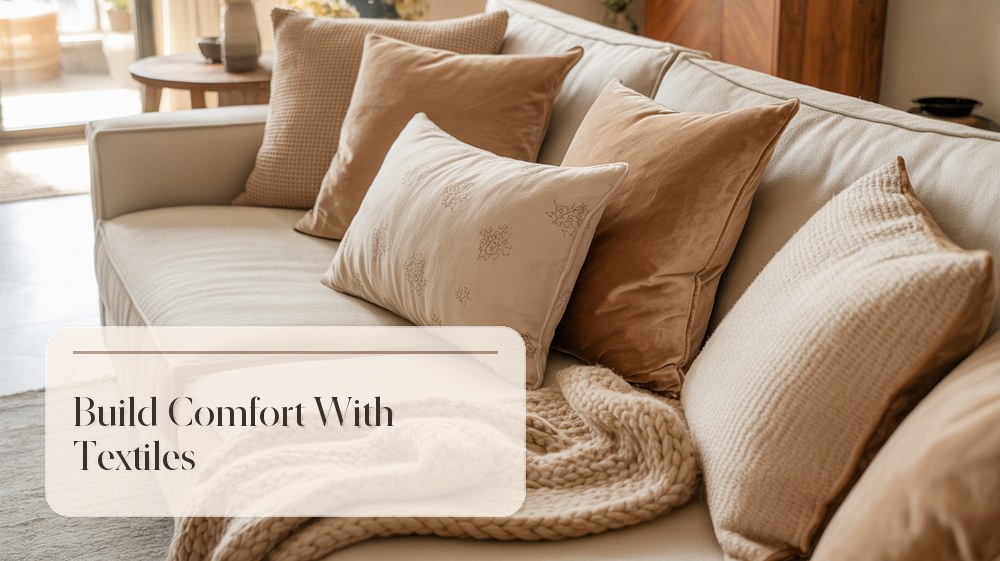
2. Build Comfort With Textiles
Textiles are the easiest way to make a living room feel layered without changing the furniture. Start with cushions and throws, but avoid six identical cushions. The room will feel more natural if pieces look related rather than perfectly matched.
Choose three cushion types: one plain, one subtle pattern, and one interesting texture. Linen, velvet, boucle, cotton, and chunky knit all bring softness. Then add a throw blanket that looks relaxed rather than staged. A blanket folded too perfectly can feel stiff, while one loosely draped over the sofa arm says, “Come sit down.”
- Mix small-scale patterns with solid fabrics.
- Use odd numbers of cushions for a casual look.
- Choose washable fabrics if your living room works hard.
If you love restful rooms, these sage green decorating ideas offer pretty color cues that work beautifully in living rooms too.
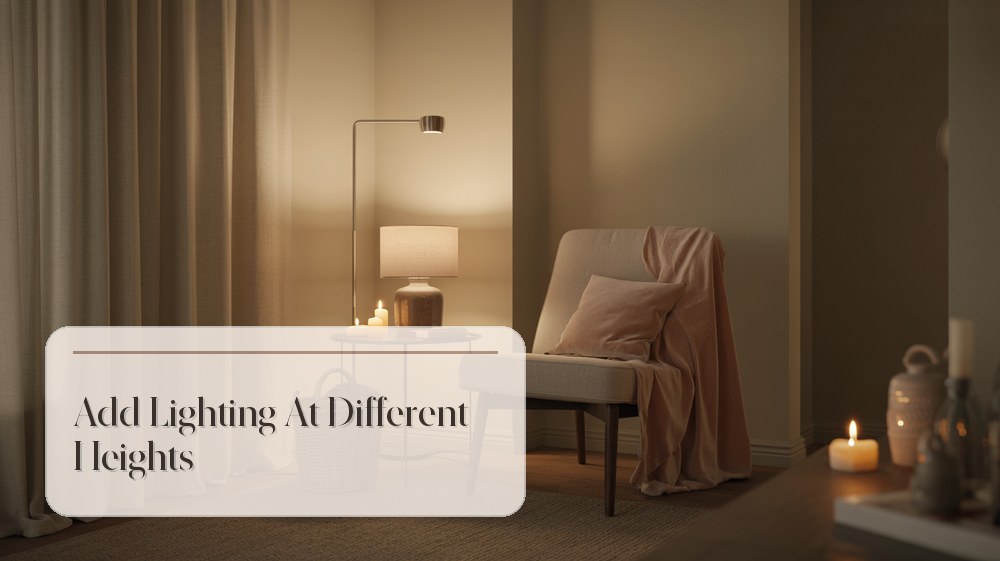
3. Add Lighting At Different Heights
Overhead lighting is useful, but it rarely makes a living room cozy on its own. Layered decor needs layered light. Aim for a mix of ceiling light, floor lamp, table lamp, and a soft glow from candles or rechargeable lamps.
You can also borrow details from coffee table styling tips when you are refining the final look.
Avoid one harsh pool of brightness in the middle of the room. A floor lamp beside a reading chair, a small lamp on a side table, and a warm bulb near a shelf will make the space feel more dimensional. Warm white bulbs usually feel kinder in living rooms than cool white bulbs. The ENERGY STAR guide to light bulbs is useful if you want efficient options.
- Use lamps to brighten dark corners.
- Choose warm bulbs for evening softness.
- Place light near texture, such as curtains or woven baskets.
Lighting is also a mood setter. Even a simple room feels richer when the lamps are doing their quiet little magic after sunset.
4. Style Surfaces In Small Groups
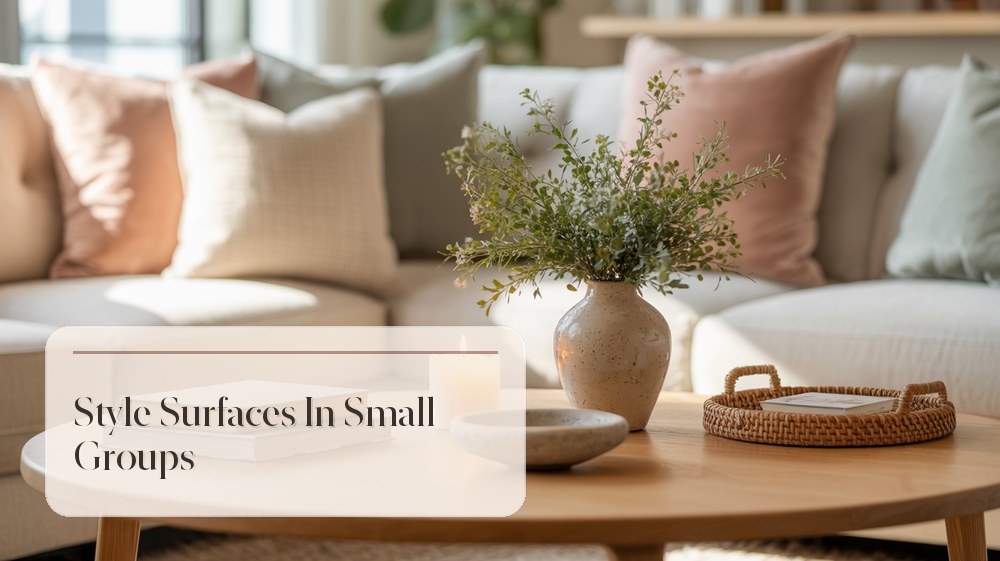
Coffee tables, sideboards, mantels, and shelves are where layers can shine or turn into clutter. The easiest rule is to style in small groups with different heights. On a coffee table, you might use a tray, a ceramic vase, a candle, and a small bowl for remotes or matches.
Include something tall, something low, something natural, and something practical. This keeps the arrangement pretty but useful. A living room should never feel like you need permission to touch anything.
- Use trays to make small objects feel intentional.
- Leave empty space so surfaces can still function.
- Repeat one color from your cushions or rug.
If you enjoy display areas, you might like this guide to styling open kitchen shelves; the same balance of height, texture, and breathing room works in living rooms too.
For a related idea you can adapt in the same space, see living room sofa ideas.
5. Give The Walls Some Character
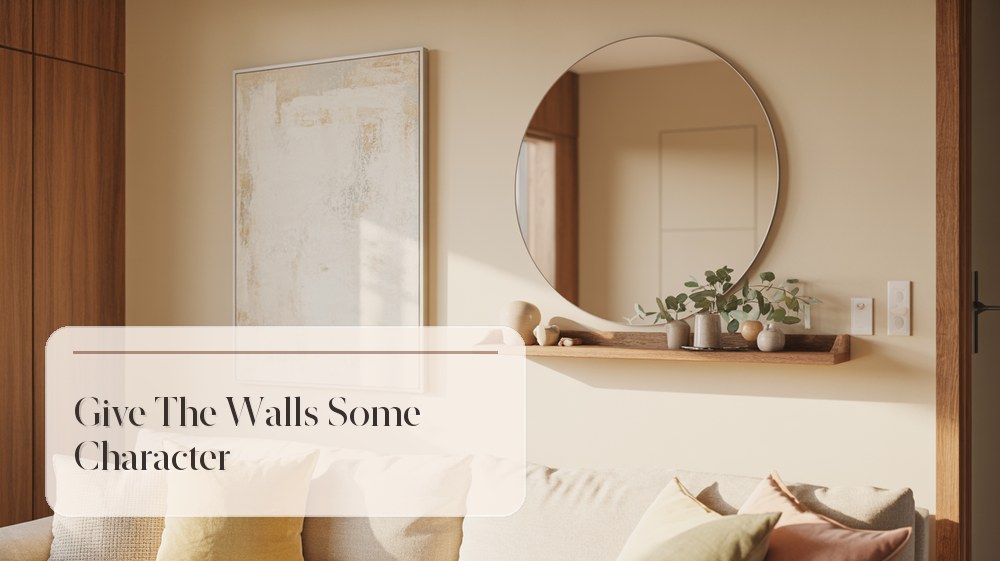
Bare walls can make even a nicely furnished living room feel unfinished. You do not need a huge gallery wall. One large artwork, a mirror, a pair of prints, or a slim picture ledge can be enough to create height and interest.
When choosing wall decor, think about what the room needs. A mirror can bounce light around a narrow space. A landscape print can soften a modern room. A wooden shelf can bring warmth to a pale wall. Keep frames and finishes connected to the rest of the room.
- Hang art at eye level, not too high.
- Use one large piece if small frames feel busy.
- Choose mirrors for rooms that need more light.
For scale, art above the sofa often looks best when it is roughly two-thirds the sofa width. It does not have to be exact, but it helps the wall feel balanced.
6. Bring In Natural Texture
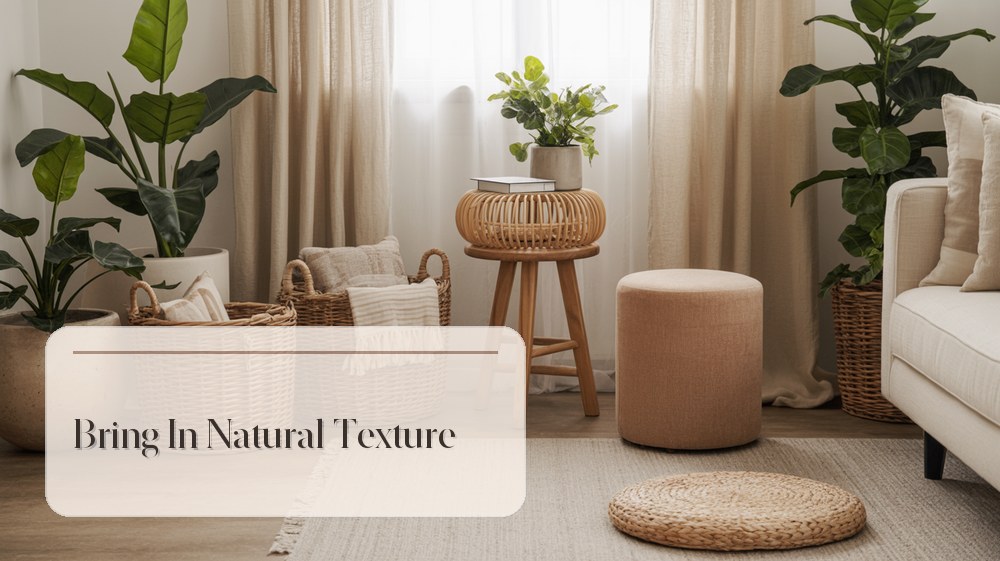
Natural texture keeps a layered living room from feeling flat. Woven baskets, wooden bowls, linen curtains, rattan trays, ceramic vases, stone coasters, and plants all add quiet variation. These pieces do not shout for attention, but together they make the room feel alive.
Plants are especially useful because they soften hard furniture lines and add fresh color. If you are not confident with houseplants, start with forgiving options such as pothos, snake plant, or ZZ plant. The Royal Horticultural Society houseplant advice is helpful for choosing and caring for indoor plants.
A useful next read is living room TV wall ideas if you want another angle on this part of the project.
- Add baskets for blankets, toys, or spare cushions.
- Mix matte ceramics with warm wood or woven pieces.
- Use one plant in a plain corner to soften the room.
If your style leans cozy and rustic, these modern farmhouse ideas have texture combinations that translate well beyond the bedroom.
7. Finish With Personal Details
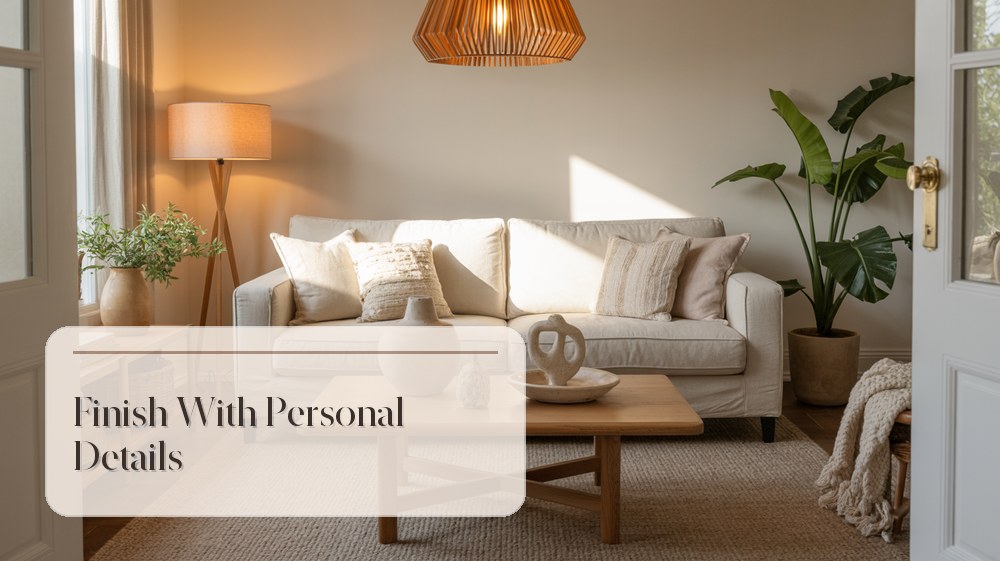
The final layer is the one that makes the room yours. This could be a handmade bowl, a favorite vase, a family photo in a simple frame, a vintage find, or a color that makes you happy. Keep this layer edited. A few meaningful pieces have more impact than everything sitting out at once.
Step back and look from the doorway. Does one side feel heavier than the other? Is there a color that appears only once? Is there enough empty space for the eye to rest? Small adjustments, like moving a lamp or removing one accessory, can make the whole room breathe.
- Display pieces that have a memory, purpose, or texture you love.
- Repeat your accent color in two or three small places.
- Edit seasonally so the room stays fresh.
Layering living room decor is not a one-afternoon test you pass or fail. It is a gentle process of noticing what your home needs, adding warmth where it feels bare, and removing anything that gets in the way. Start with one step, live with it for a few days, then add the next.
